News
26 October 2022
SalvaTerra conducted 3 case studies as part of the Watershift project for the adoption of sustainable water management practices
Watershift aims to: (i) develop virtuous economic models with regard to water resources and biodiversity in the Mediterranean; (ii) activate financial levers to initiate a transition towards more sustainable water use patterns, particularly in the agriculture sector.
In order to refine the understanding of the challenges of agricultural water management and to analyze the good agricultural practices (GAP) proposed by Watershift – organic agriculture, agroforestry, fertigation systems, integrated pest management plans, decision support tools for irrigation, water reuse systems, soil conservation practices, Aid and financial incentives for water saving – the SalvaTerra team carried out three case studies on the olive sector in Puglia (Italy), almond production in the Governorate of Sidi Bouzid (Tunisia) and fruit growing (cherry, plum, apple, etc.) in the Sebou Basin (Morocco).
The cross-sectional analysis of the 3 case studies identified the following key issues with respect to agricultural water management:
- Significant investments have been made or are in the process of being made, notably through the establishment of private deep boreholes, to exploit underground water resources in order to expand and/or intensify irrigated tree crops;
- In two of the 3 case studies (Morocco and Tunisia), public subsidies played a major role in the development of so-called water-saving systems (drip irrigation), but with a notable “rebound” effect (the extension of cultivated areas and the overexploitation of groundwater);
- There is an awareness of producers and other actors in the agricultural world about the problems of overexploitation of underground water resources, but relatively few initiatives and GAP at the farm level, which for the moment do not really experience water scarcity;
- The current context of soaring energy prices, which increases the costs of pumping water and synthetic inputs, can have a leverage effect on the adoption of some GAP.
In terms of the needs of AEs for the adoption of sustainable practices with regard to water resources, the economic question is therefore central and must be addressed in particular from the point of view of the possible reduction of production costs that these practices can bring to producers. The three GAP that we have retained and deepened in this study contribute in one way or another to this cost reduction:
- The improvement of fertigation systems for fruit growers in the Sebou basin (Morocco) will enable them to lower their loads by adjusting water and fertilizer consumption to the real needs of crops;
- The use of organic manure on almond plots in Sidi Bouzid (Tunisia) is an interesting alternative to the use of increasingly expensive chemical fertilizers and allows a considerable reduction in water consumption;
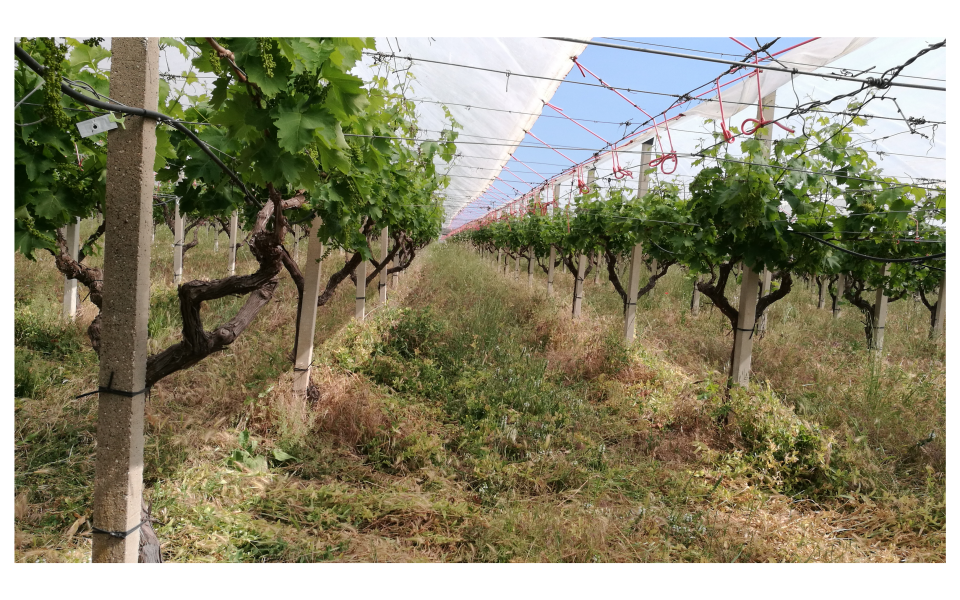
- Grassing olive plots in Puglia (Italy) lowers production costs related to chemical and mechanical weeding (ploughing) and can also have a beneficial effect on water consumption.
A lire aussi...
17 Jun. 2026
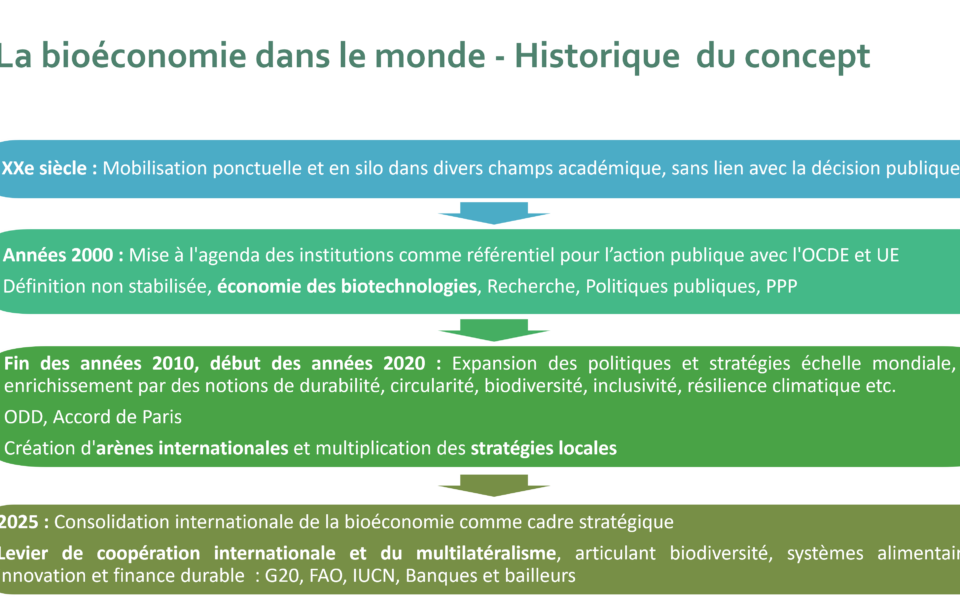
La bioéconomie à l’agenda de la coopération internationale
Dans un contexte de montée en puissance de la bioéconomie comme cadre du multilatéralisme et de la coopération SalvaTerra et Biotope ont achevé en mai 2026 une mission d’appui à la définition d’orientations stratégiques et opérationnelles sur la bioéconomie pour l’Agence française de développement.
03 Jun. 2026
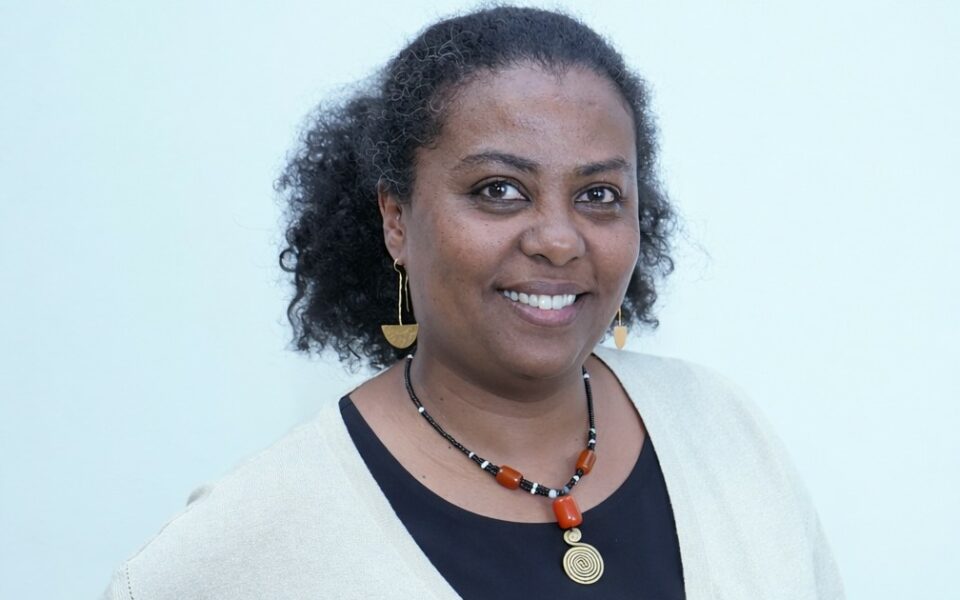
Une nouvelle experte rejoint l’équipe SalvaTerra
Nous avons le plaisir d’accueillir Yodit Kebede, qui rejoint SalvaTerra pour renforcer notre expertise et accompagner notre développement en France et à l’international. Ingénieure agronome et docteure en écologie des paysages, Yodit Kebede apporte près de vingt ans d'expérience internationale dans les domaines de l’agriculture, de l’environnement et du développement rural.
28 Apr. 2026
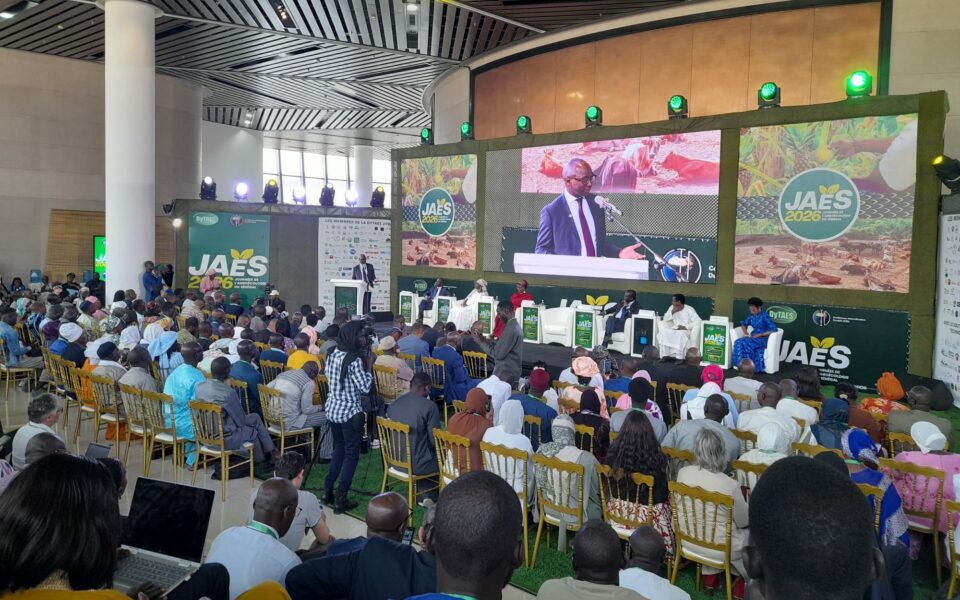
Présence de SalvaTerra aux Journées de l’agroécologie du Sénégal (JAES 2026) à Dakar
SalvaTerra a participé aux Journées de l’agroécologie du Sénégal (JAES 2026) à Dakar autour du thème : « De la vision à l’action : institutionnaliser l’agroécologie pour des systèmes alimentaires durables ».