Economic development is and has been too often carried out at the expense of natural resources. In a context of global changes (6th biodiversity crisis, climate change, peak oil and energy crisis, unprecedented rise in world population, etc.), our current destructive development practices are leading us quickly and collectively to the brink.
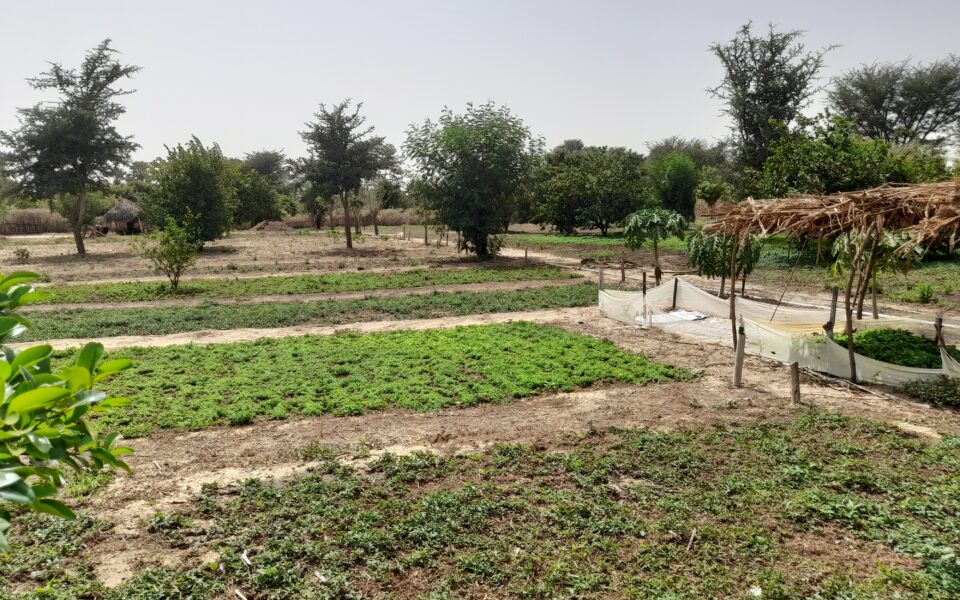
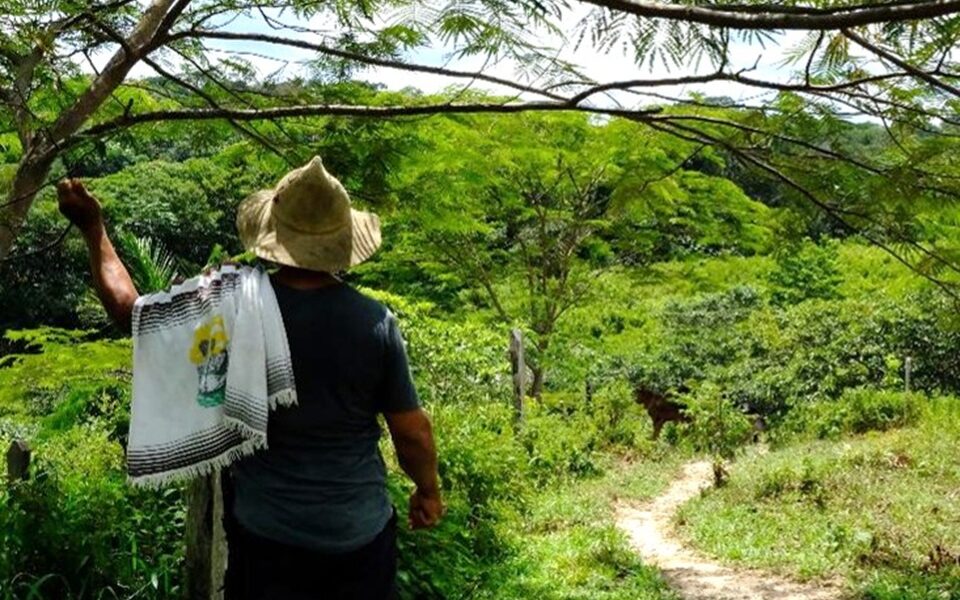
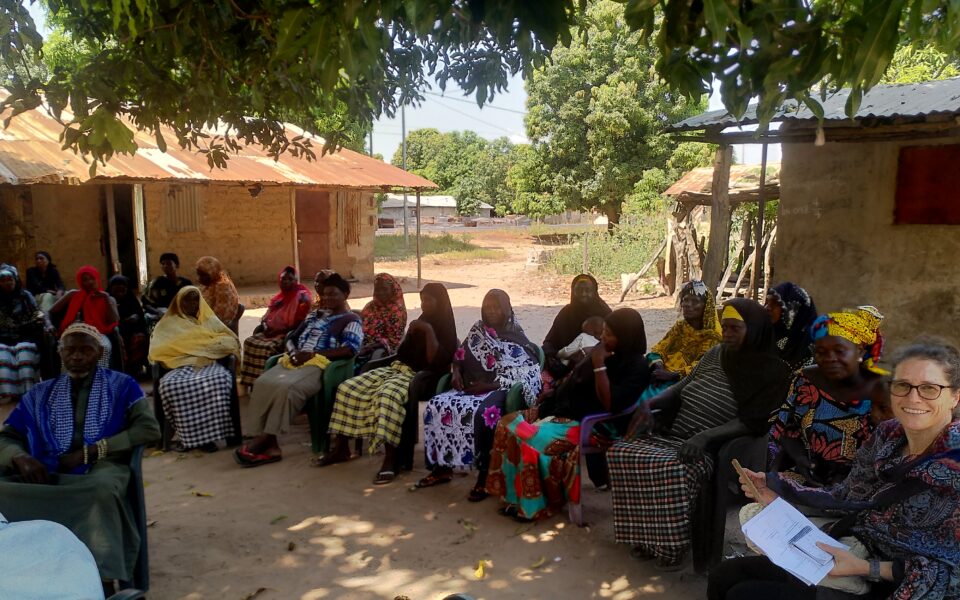
To help change the dominant development paradigm, SalvaTerra has been providing tailor-made support and advice since 2012 to accompany and implement rural development projects - mainly in the countries of the South (Africa, Latin America and South-East Asia) but also in the countries of the North - that reconcile the sustainable management of terrestrial ecosystems and wealth creation for local populations (agricultural products, timber and non-timber forest products etc.).
Rural populations in the South are often in a state of severe deprivation, which only worsens as the surrounding 'natural capital' deteriorates. Faced with this situation, we approach our work with pragmatism and passion, adapting to the national context and the problem at hand and, above all, working with a results-oriented approach.

SalvaTerra SAS provided the outside perspective needed to address the identified issues, identified additional issues through its field mission and its discussions with stakeholders, and proposed concrete remediation solutions and improvements to the project proposal. The service was delivered on time.
Feasibility study of the Dundi Ferlo project – Reforestation for sustainable management of pastoral lands
French Facility for Global Environment, 02/2024

My organization is satisfied with the service, the great professionalism of the team and the excellent quality of the deliverables.
Support for the operationalization of the Environmental Action Fund
Institutions et développement, 12/2017

Our company is satisfied with this service. All requests for additional information have been submitted.
Setting up an agroforestry plantation project with GECOTRA
Générale de commerce et de transport, 11/2017

The team of experts mobilized by the SalvaTerra-ONFI consortium was very professional and made all the necessary efforts to perfectly meet the expectations of the World Bank but also of the Algerian partners involved.
Technical assistance to the Government of Algeria to prevent and fight forest fires
World Bank, 06/2023

This contract was executed in accordance with the contractual specifications.
Evaluation of WFP’s Interim Country Strategic Plan 2019-2024 in Guinea
United Nations World Food Programme, 01/2024

We particularly appreciated the rigorous analysis of the SalvaTerra SAS team, and its ability to work together with various technical (JRC) and political partners (Government of Côte d'Ivoire) while respecting the deadlines set.
Comparative study of different forest definitions, in the framework of REDD+ and RSPO
European Forest Institute, 03/2015

SalvaTerra was able to be responsive in a tight deadline and a complex working environment. The solutions and initiatives they proposed made it possible to carry out the proposed service and to provide useful and quality work for PRISAN and AFD.
Co-construction of the Project for the Institutional Strengthening of the Food Security Sector in Niger (PRISAN)
French Development Agency, 10/2022

My organization is satisfied with SalvaTerra's performance, communication and timely delivery of deliverables.
Study of REDD+ opportunities for the forest-wood sector in Kenya
Programme des Nations Unies pour l’environnement, 01/2016

The expert quickly mastered the very complex REDD+ and LULUCF negotiations, his support was extremely useful in the preparation of intra-European negotiation sessions and he showed a very high capacity for work.
Database on national positions in REDD+ negotiations
Ministère de l’agriculture de la France, 03/2013

My organization is satisfied with this service and recommends SalvaTerra for similar operations.
Agrarian diagnosis for the “Fertile District” project, in Majicavo (Commune of Koungou)
Commune of Koungou, 12/2022

My organization is satisfied with this high-quality service and the support provided by SalvaTerra in these 3 years.
Technical assistance to the CAFI Programme: Territorial Planning and Forest Monitoring
National Climate Council of Gabon, 04/2022

The consultant carried out the work to our complete satisfaction.
Technical assistance on climate issues for the Agricultural Bank of Senegal (LBA)
French Development Agency, 06/2024

My organization is very satisfied with this service, which was carried out with seriousness and professionalism in view of the high level of requirements of the steering committee and the limited budget of the study.
Meta-evaluation of rice projects with regard to climate issues (mitigation and adaptation)
French Association for Water, Irrigation and Drainage, 06/2024

My organization is satisfied with this service, which took place in a fluid and efficient manner. SalvaTerra was responsive and the deliverables submitted were of good quality.
GHG Impact Analyses of WAT4CAM and Svay Check Irrigated Rice Projects
French Development Agency, 07/2024

The service was therefore satisfactory and I would like to highlight the quality, availability and attentiveness of the partners.
RETEX on research and development programmes on the Douglas sector
France forest wood – National interprofession, 06/2023
Olivier, Anis, Eva, Alice, David, Johan, Sophia, Catherine, Annaël... A team of experts at your service.
The SalvaTerra TeamSustainable forest management, Agroecology, Adaptation to climate change, Corporate social responsibility...
Our activitiesDiscover all our references
10 Nov. 2025
Dans le cadre de l’Évaluation au champ large (ECL) des interventions du Groupe AFD et du FFEM dans le biome amazonien, SalvaTerra et TERO ont rédigé pour l’Agence française de développement un nouveau numéro de la collection Questions de développement (QDD n°97 – octobre 2025), intitulé « Quels leviers pour freiner la déforestation sur les fronts pionniers en Amazonie ? ».
21 Oct. 2025
Menée par le consortium SalvaTerra–TERO, l’Évaluation au champ large (ECL) analyse près de deux décennies d’interventions du Groupe AFD et du FFEM en faveur des forêts du biome amazonien, à travers 37 projets mis en œuvre dans huit pays. L’étude dresse un bilan inédit des approches françaises en matière de conservation, de bioéconomie et de gouvernance autochtone, et identifie les leviers pour renforcer leur impact à l’horizon 2030
14 Oct. 2025
En juin 2025, SalvaTerra a conduit une mission de diagnostic de la filière de la rose de Damas en Turquie et une évaluation des dernières avancées en matière de droits humains. Celle-ci a combiné une analyse documentaire approfondie, des visites de parcelles, et des rencontres avec l’ensemble des acteurs : travailleurs saisonniers, agriculteurs, collecteurs, coopératives, transformateurs, associations locales et ONG. Cette étude a permis de formuler un plan d’action pragmatique pour continuer à porter cette filière d’importance vers un modèle conciliant durabilité et éthique, en améliorant notamment les conditions de vie et de travail à l’amont et à l’aval.
30 Sep. 2025
Dans le cadre du projet MuLaKiLa, porté par Reforest'Action et l’Albertine Rift Conservation Society (ARCOS) au Rwanda, SalvaTerra a mené une mission de terrain pour diagnostiquer et évaluer les potentiels de développement de filières dans les districts de Rutsiro et Ngororero.
10 Sep. 2025
Bois de construction, bois-énergie, logistique, cartographie d’acteurs, flux matériels et économiques… Une étude au service du développement de la filière forêt bois de La Réunion
19 Aug. 2025
SalvaTerra a contribué à la rédaction du rapport technique publié par la banque mondiale : « Vers un développement durable et à faible émission de carbone des paysages oasiens en Tunisie » proposant des mesures claires et décisives pour protéger la santé et la productivité des écosystèmes oasiens du sud de la Tunisie pour à la fois améliorer la résilience face aux menaces climatiques - notamment la sécheresse, les chaleurs excessives et la pénurie d’eau- et créer des emplois verts dans les secteurs de l’agriculture, de l’énergie, des déchets, du tourisme et de la culture.