News
2 November 2022
Market study for the financing of small-scale private irrigation in Niger
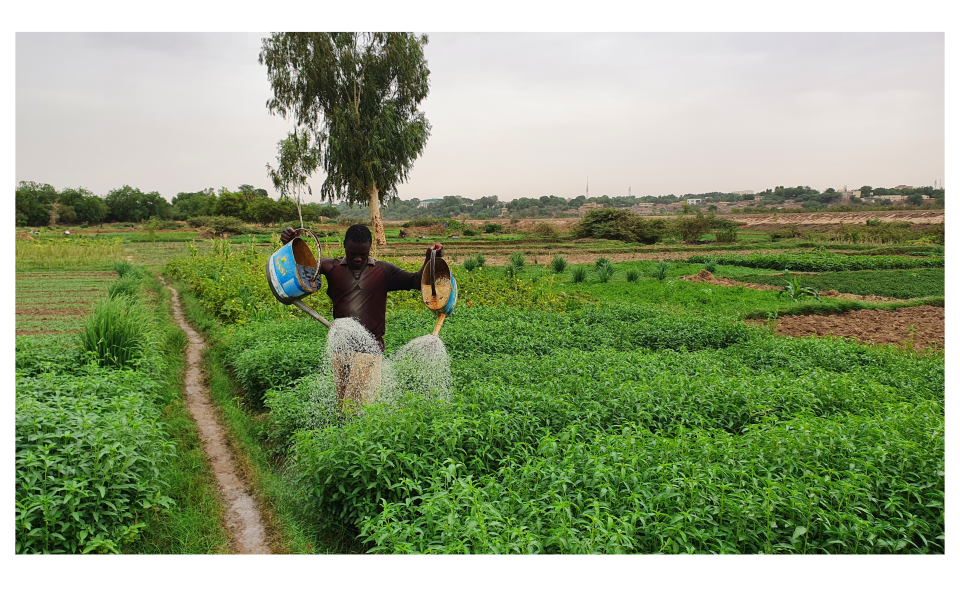
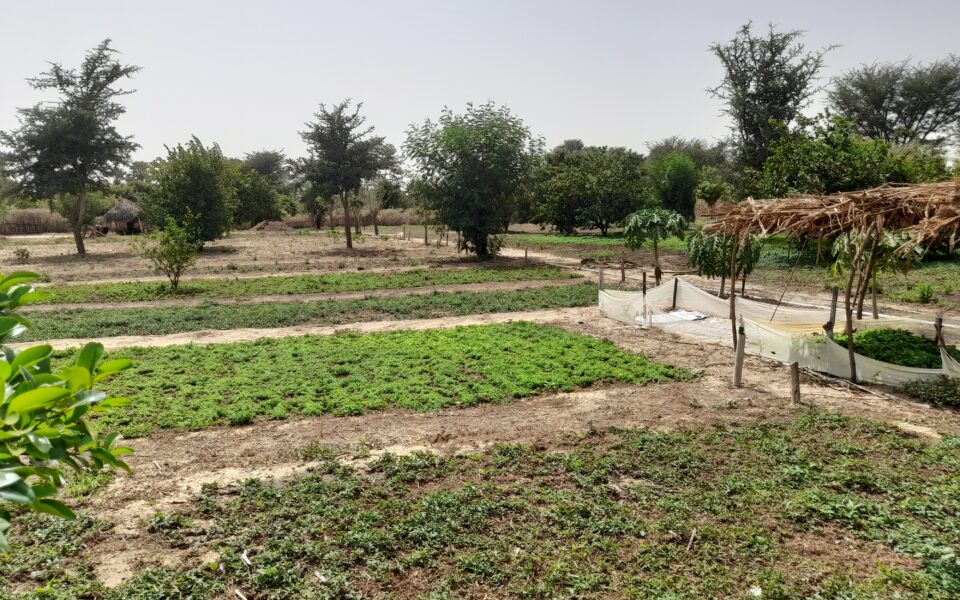
With temperatures rising 1.5 times faster than the global average, maximum temperatures exceeding 45 degrees Celsius, limited, decreasing and unpredictable rainfall, and an increase in multi-year droughts, Niger is on the frontline of climate change. However, the country has an irrigable potential of more than 10 million hectares, more than half of which is compatible with small-scale private irrigation, especially for vegetable production. The lack of accessible financial solutions, however, is a brake on investment for producers, and limits their ability to modernize their irrigation systems, which generally remain very artisanal (see photos)
SalvaTerra’s expertise was initially mobilized to study the existing and potential demand for irrigation solutions: identification of production and marketing methods of key crops, characterization of existing business models and actors for irrigation equipment, and evaluation of the costs and benefits of available irrigation technologies. In a second step, it was a question of analyzing the demand for potential by assessing the perceptions of farmers, equipment suppliers and other stakeholders on the different irrigation technologies, as well as their financial capacities and their conditions of access to finance.
A lire aussi...
30 Jul. 2026
Fin de l’évaluation externe du Programme d’actions structurées de la lutte contre la désertification (PASS-LCD)
SalvaTerra a achevé, pour le CARI, l'évaluation externe de la première phase du programme PASS-LCD.
01 Jul. 2026
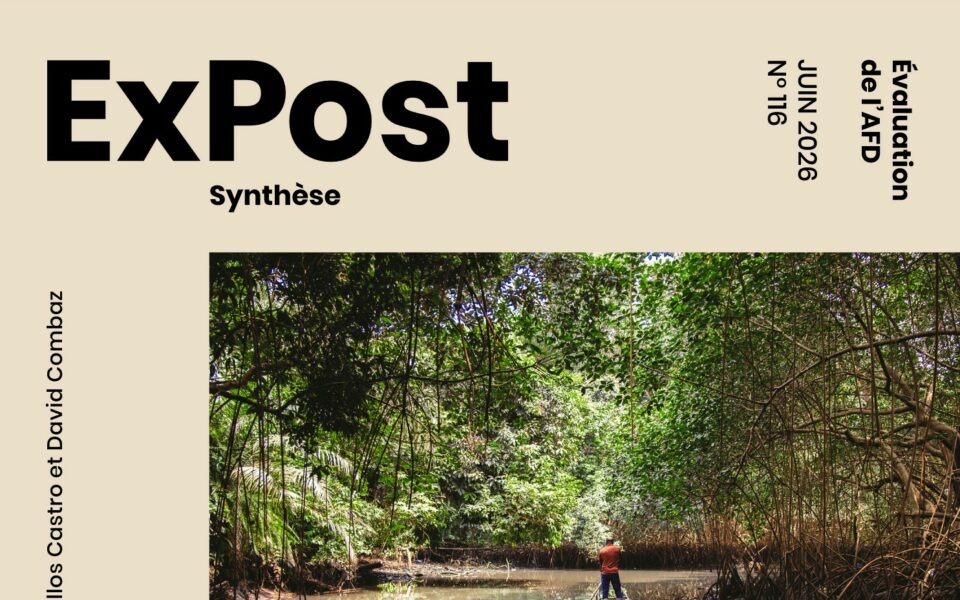
Amazonie : SalvaTerra signe l’évaluation de trente ans d’action du Groupe AFD et du FFEM
L’AFD vient de publier l’évaluation ex-post n°116, « Amazonie : trente ans d’engagement du Groupe AFD et du FFEM au service de la préservation du biome et du développement durable ». Réalisée par le consortium SalvaTerra-TERO, cette Évaluation au champ large (ECL) analyse près de trente ans d’interventions en faveur des forêts amazoniennes, de 1996 à 2024. Elle est désormais en libre accès sur le site de l’AFD.
01 Jul. 2026
Amazonie : SalvaTerra au webinaire « Conversations de recherche » de l’AFD
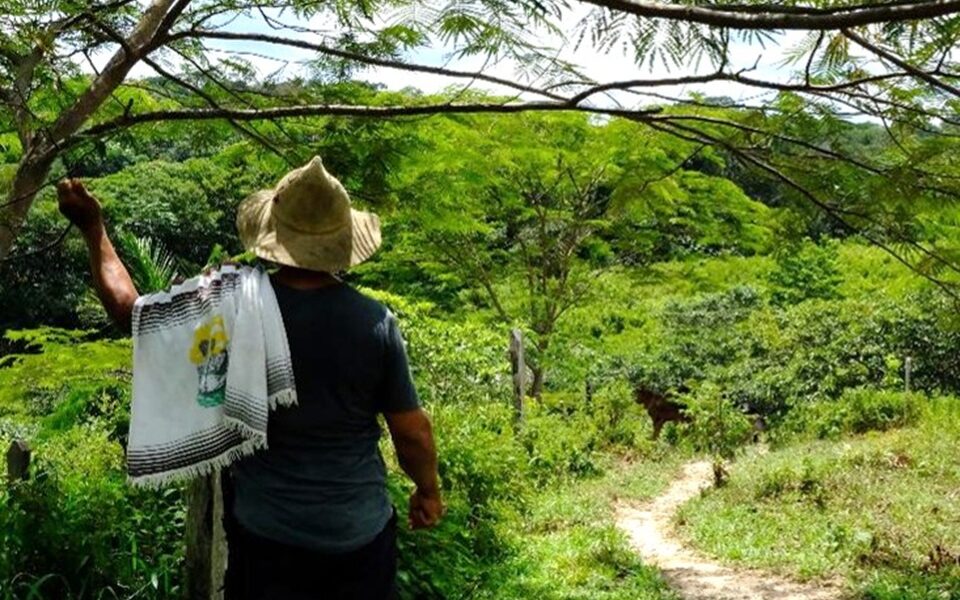
Le 17 juin 2026, David Combaz, directeur de SalvaTerra, est intervenu lors d’un webinaire du cycle « Conversations de recherche » de l’Agence française de développement (AFD), consacré à la lutte contre la déforestation et les émissions de carbone en Amérique du Sud. Son intervention prolonge les travaux d’évaluation conduits par SalvaTerra et TERO sur l’action du Groupe AFD et du FFEM dans le biome amazonien. Le replay est désormais disponible en ligne.